

What actually happened?
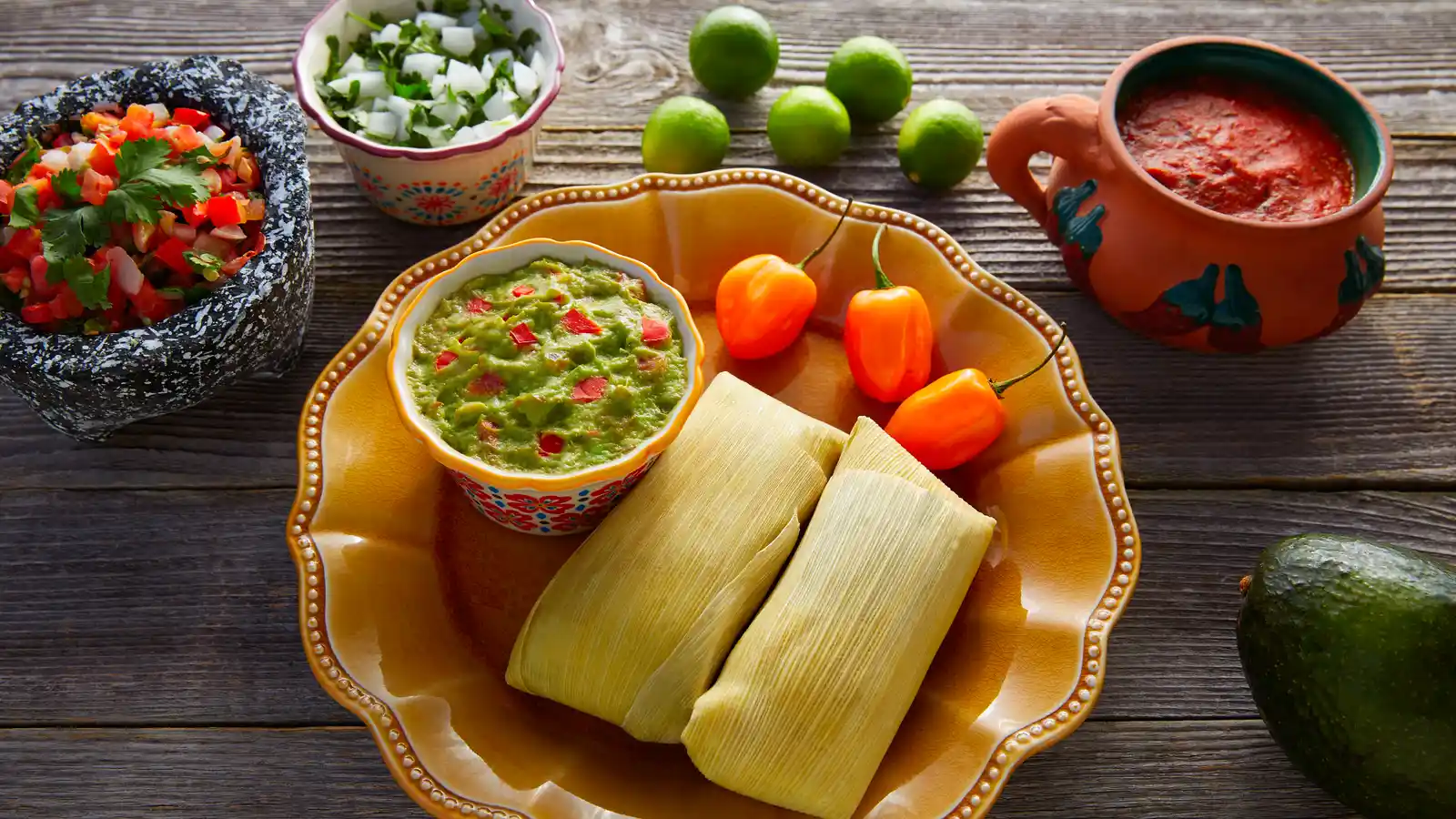
The story, as reported in Product School's roundup of AI business use cases, goes like this. A small, family-run tamale shop in LA wanted attention the way every small food business wants attention: badly, and on no budget. Instead of hiring an agency, they made a 46-second, meme-style video. ChatGPT wrote the narration. An accessible editing tool stitched it together. Total production time was reportedly about ten minutes.
Three weeks later the video had passed 22 million views and 1.2 million likes. The reporting credits it with a real lift in foot traffic and new customers. Not impressions. Feet, walking through a door, ordering tamales.
I want to be careful here, because stories like this get retold until they sound like magic. It was not magic. It was a very good joke, told quickly, by people who understood their own charm. The AI just removed the friction between having the idea and shipping it.
The AI did not make the video funny. It made the video possible before the joke went stale.
Why did this work when so many videos die?
Spend an hour on any social feed and you will drown in AI-made content that nobody watches. So why did this one detonate? A few reasons, and none of them are secret.
First, specificity. This was not 'content for a restaurant.' It was one family, one shop, one product with a face and a history. The algorithm rewards watch time, and people watch what feels particular. Generic dies; peculiar travels.
Second, speed. Meme formats have a shelf life measured in days. A traditional production cycle, with its briefs and revisions and approvals, cannot catch a wave that small businesses can. Ten minutes from idea to upload means you can ride the format while it is still warm.
Third, and I believe this most firmly: the humor was theirs. ChatGPT drafted narration, but the sensibility, the self-awareness, the willingness to be a little ridiculous in public, that came from the owners. AI amplified a voice that already existed. It cannot conjure one that does not.
The replication playbook, step by step
Here is the honest version of how you copy this, whether you sell tamales, tune furnaces, or clean teeth.
- Step 1: Find the joke only you can tell. Every business has one. The thing customers always laugh about, the complaint you hear weekly, the absurdity of your trade. Write it down in one sentence.
- Step 2: Ask ChatGPT for structure, not soul. Try: 'Here is our business and our joke: [describe]. Write five 40-second video scripts in a deadpan meme style. Short sentences. No hashtags, no marketing voice.' Pick the one that sounds most like you, then edit it until it is yours.
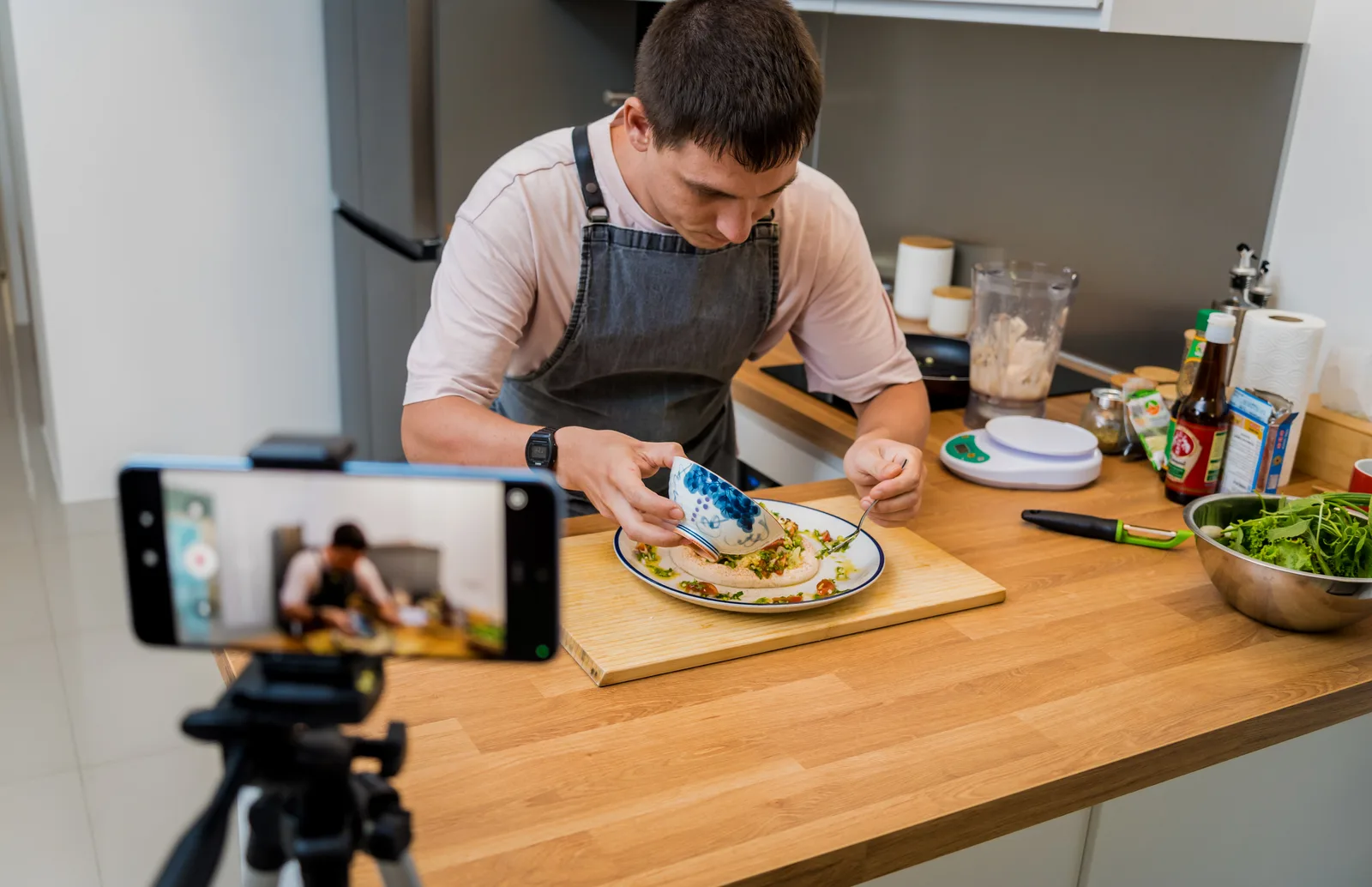
- Step 3: Shoot on your phone, in your space, with your people. The unpolished setting is the credibility. A tamale shop that looked like a studio would have died on arrival.
- Step 4: Cut it in a free tool (CapCut and Canva both work) with big captions, because most viewers watch muted.
- Step 5: Post it natively to TikTok, Reels, and Shorts. Then reply to every single comment for the first two days. The algorithm reads conversation as heat.
- Step 6: Make the follow-up before you need it. Virality is a spike, not a strategy. The shop that wins keeps a small bank of the next three ideas ready.
Have a story worth telling and no time to tell it?
We run social for businesses like a publication: real voice, real calendar, AI where it speeds us up and never where it flattens you.
What does it cost, and what should you expect?
In money, close to nothing: a phone you own, tools with free tiers, perhaps a paid ChatGPT seat you should have anyway. In time, an afternoon of honest effort once you stop overthinking it.
In expectations, be an adult about the odds. Twenty-two million views is a lottery ticket that landed. Yours might reach four hundred people. But here is the arithmetic that matters for a small business. If four hundred locals watch a video that genuinely made them smile, and six of them come in, the afternoon paid for itself. The ceiling is the fairy tale; the floor is still profitable. Very few marketing channels can say that.
The ceiling is the fairy tale. The floor is still profitable.
The deeper lesson for every small business
For decades, reach belonged to whoever could afford production. That premise has quietly collapsed. A family with a phone and a sense of humor out-marketed chains with seven-figure budgets. Stories like the AI-made 'Synthetic Summer' beer commercial going viral show the same physics at every scale: distribution now follows wit, not spend.
What has not collapsed is the need for taste. The tools are identical for everyone; the judgment is not. If you take one thing from the tamale shop, take this: your unfair advantage is not access to AI. Everyone has that now. Your unfair advantage is being genuinely, specifically yourself, faster than a committee ever could.
If you want that kind of reach for your own business, this is the work our social media team does every week. Two companion reads. How fast you answer the people a video brings in decides whether it pays; that is the point of speed to lead. And the tools a small business needs to keep up are in the six-tool AI stack.
- Product School, 15 AI Business Use Cases with Real-World Examples (tamale shop case)
- Tagshop, Best AI Video Examples in 2026 (Synthetic Summer and viral AI video)
How this was made · Drafted with AI tools from the sources above. Every number was checked against its source by a person. Reviewed and approved by our editorial team. Samar Faizan, editor of record, holds editorial responsibility.